
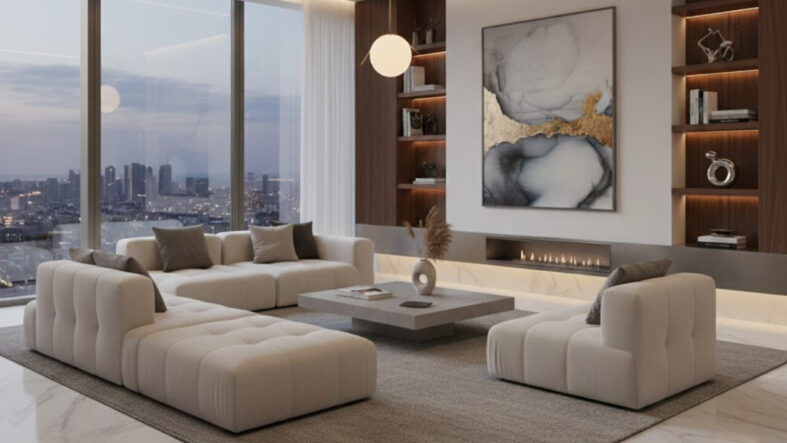
A few small changes can shift a space from ordinary to polished. Focus on upgrades that add structure, texture, and consistency, because those elements read as intentional design.
The ideas below stay simple on purpose, so each one can fit a weekend plan, a modest budget, or a phased room-by-room update.
1. Upgrade Lighting Fixtures
Good lighting makes finishes look better, and rooms feel planned. Start with the main ceiling fixture in the most used room, then fix the light quality so the whole space looks consistent.

Improve Light Quality First
Bulbs matter as much as the fixture. Use warm white in the 2700K to 3000K range and keep the same color temperature within the room.
Choose high CRI bulbs when possible, then add a dimmer so evenings look softer and more controlled.
Add One Supporting Light Source
A room looks more finished once light comes from more than the ceiling.
Add a floor lamp or table lamp near seating, then consider a small accent light later for art or shelving if the room still feels flat.
2. Use Exposed Bricks Or Brick Veneer
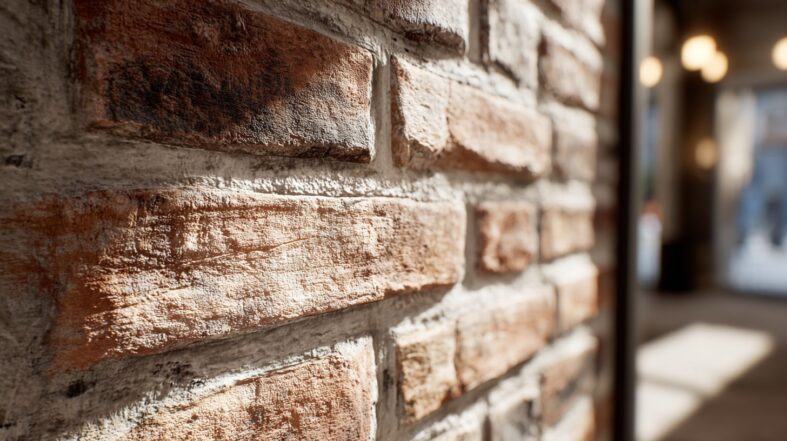
Brick adds texture and shadow that paint cannot copy. One wall is enough when placement and finishing are handled cleanly.
Pick The Best Wall And The Best Material
Use a wall that already carries attention: behind a sofa, behind a bed, around a fireplace, or in a dining nook.
The exposed brick needs checks for moisture and loose mortar. Brick veneer works well on drywall and gives predictable results with less mess.
Choose A Finish That Matches The Style
Raw brick gives warmth and a loft feel. Limewash or a light whitewash softens contrast while keeping texture.
Avoid shiny coatings that make the brick look artificial.
The flooring can also be renovated with brick floor tile.
3. Keep A Restrained Color Palette
A limited palette makes a space feel coherent and deliberate. Too many colors fragment attention and cheapen the overall impression, even when individual pieces look fine.
Build Around One Base And Two Supports
Start with one dominant neutral, then add one secondary tone and one accent. Warm whites, soft greige, muted taupe, and gentle stone tones work well as a base.
Secondary tones can come from wood, leather, or textiles rather than paint.
Control Saturation And Contrast
Muted colors age better than strong saturation. Deep tones like olive, charcoal, navy, or rust work best when used in smaller doses. High contrast works only when intentional, so avoid mixing sharp black and bright white unless the space follows a clear modern direction.
Repeat Colors On Purpose
Repeating the same tones in different materials helps the room feel finished. Wall color echoed in curtains, rug details repeated in cushions, wood tone matched between furniture pieces. Repetition creates visual order without decoration overload.
4. Swap Basic Hardware For Better Finishes
Small metal details quietly signal quality. Cheap handles, knobs, and switches drag down otherwise decent interiors.
Focus On High Touch Points First
Start with places people use daily: kitchen cabinets, bathroom vanities, and interior doors. Changing hardware takes little time and rarely requires tools beyond a screwdriver.
Priority order usually works best this way:
- cabinet pulls and knobs
- door handles
- light switch plates
Choose One Main Finish
Too many metals create visual noise. Pick one dominant finish and stick to it. Brushed brass, aged bronze, matte black, and brushed nickel tend to look calmer than polished chrome.
Use a second finish only as a minor accent, not as an equal partner.
Mind Proportion And Shape
Longer pulls often look more modern and intentional than small knobs. Clean geometry ages better than ornate shapes. Hardware should feel solid in hand, with some weight, not hollow or flimsy.
5. Hang Floor Length Curtains High
Curtains change how tall and finished a room feels. Incorrect placement shortens walls and makes windows look smaller than they are.

Mount Curtains Near The Ceiling
Install the rod close to the ceiling line rather than just above the window frame. This draws the eye upward and makes the room feel taller without any structural change.
Simple placement rule:
- rod close to the ceiling
- curtains touching or lightly brushing the floor
Use Enough Fabric
Sparse panels look temporary. Curtains should feel generous, with enough width so they still show folds when closed. Fullness adds softness and depth, especially in neutral rooms.
Keep Fabric And Color Calm
Linen, cotton blends, and textured weaves tend to read better than shiny synthetics. Stick to colors close to the wall tone for a seamless look, or go slightly darker for framing without harsh contrast.
6. Choose Matte Or Eggshell Wall Paint
Wall finish affects how light behaves more than color choice. Glossy paint highlights every imperfection and throws harsh reflections that flatten a room.
Pick Lower Sheen For Living Areas
Matte or eggshell absorbs light slightly, which makes walls feel softer and more considered. Living rooms, bedrooms, and hallways benefit most. Kitchens and bathrooms can still work with eggshell if ventilation stays decent.
Prep Matters More Than Brand
Lower sheen exposes bad prep. Patch holes cleanly, sand uneven spots, and prime where needed. Clean walls plus careful rolling create a uniform surface that looks intentional rather than rushed.
Keep Color Simple And Consistent
Stick to one wall color per connected space. Slight variation between rooms works better than frequent changes within one sightline.
7. Add Large Scale Artwork
Art anchors a room. Small pieces scattered around read decorative. One larger work reads confident.
Size Over Quantity
Aim for one piece that fills visual space above a sofa, bed, or console. Width near two thirds of the furniture below usually works well. Height matters too, so avoid hanging art too high.
Frame With Restraint
Simple frames in wood, black, or metal keep focus on the artwork. Consistent framing style helps when multiple pieces appear in one room.
Let The Wall Breathe
Give art space. Avoid crowding it with shelves, lamps, or plants. Empty wall space around the piece makes it feel more important.
8. Bring In Natural Materials
Natural textures add weight and warmth without decoration overload. They also age better than synthetic finishes.
View this post on Instagram
Mix Materials With Intention
Wood, stone, linen, wool, leather, and ceramic work well together when tones stay related. Repetition helps, so echo materials in more than one place.
Examples that read cohesive:
- wood table plus wood frame
- linen curtains plus linen cushions
- stone surface echoed in small decor
Avoid Over Processing
Highly polished or artificial looking finishes tend to cheapen the effect. Slight irregularity often looks better and more human.
9. Style With Fewer Better Objects
Editing does more than buying. Too many objects blur focus and hide good pieces.
Clear First, Then Add Back
Remove everything from visible surfaces, then return only what earns its place. Aim for negative space between objects so each one reads clearly.
Group With Purpose
Objects look stronger in small groups rather than spread out. Vary height and shape but keep color range tight.
Leave Some Surfaces Empty
Empty space signals confidence. Not every table or shelf needs filling.
10. Layer Textures With Rugs And Textiles
Texture creates depth when color stays restrained. Textiles handle this job better than decoration.

Start With One Good Rug
Choose a rug large enough so front legs of seating rest on it. Flat weaves, wool, and low pile rugs tend to age well and ground furniture.
Add Soft Layers Sparingly
Cushions and throws should complement the room, not dominate it. Two or three textures usually suffice: smooth, woven, and something heavier.
Keep The Palette Tight
Textures stand out more when colors stay related. Subtle variation in tone keeps the look controlled while still interesting.
Bottom Line
Keep choices simple and consistent. Upgrade a few high impact elements first, then repeat the same tones and finishes so the space feels planned.
Let the room breathe by removing visual noise and leaving some surfaces empty. Small improvements done cleanly will carry further than a long list of half upgrades.