

Scarcity is often treated as a copywriting trick: add “limited edition,” a countdown clock, or a velvet rope and watch demand rise. That misses the harder work. Agencies create exclusivity most effectively when they make restricted access feel like evidence of something valuable-not an obstacle invented to rush a sale.
The distinction matters because a shortage can signal craftsmanship, popularity, or status. It can also signal that a brand is trying to manipulate a customer. The same tactic can produce desire in one category and suspicion in another.
Scarcity is a signal, not a strategy by itself
A 2022 meta-analysis of 131 studies found that scarcity cues do not work in one uniform way: demand-based scarcity was most effective for utilitarian products, supply-based scarcity for experiences, and time limits for high-involvement purchases. The implication for agencies is practical: choose a scarcity story that fits what people are buying. A fixed number of handmade pieces may make sense; a permanent “only two left” banner on an ordinary product does not.
In luxury, a constraint can reinforce the product’s meaning. Business of Fashion’s 2023 case study of Hermès describes the company’s emphasis on hand production and quality control as central to the appeal of its leather goods. The lesson is not simply to make less. It is to show why the limit exists, so the customer can connect it to a quality, process, or experience they value.
How agencies turn a limit into demand
First, they define what is genuinely scarce: production capacity, a short seasonal window, a small number of event invitations, or access to a specialist. Then they make the boundary legible. A numbered edition, a transparent release date, or a clear invitation process gives people a reason to believe the limit.

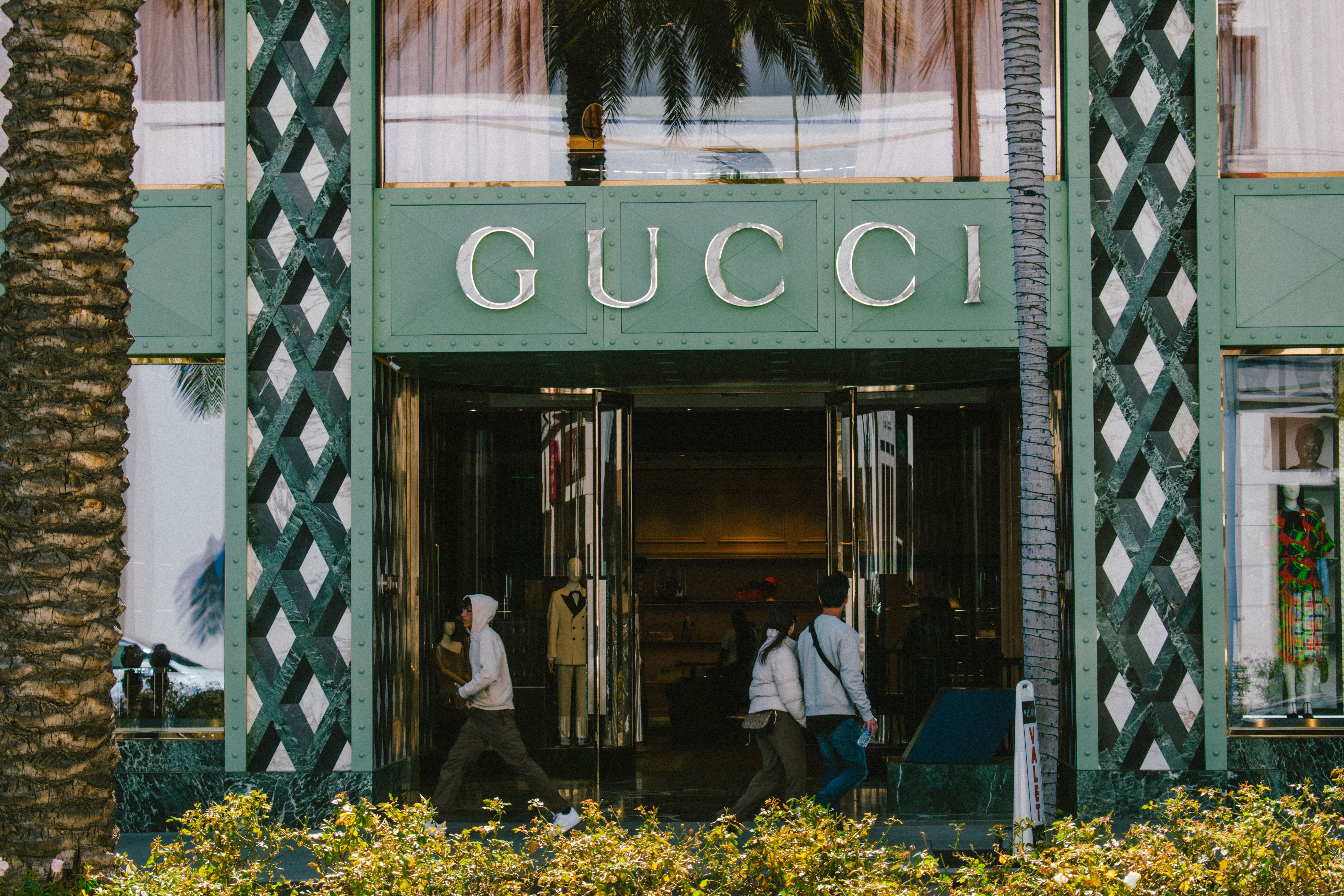
Next comes access. Agencies may use private previews, waitlists, appointment-only launches, or member-first releases to turn availability into an experience. A red-carpet entrance makes the mechanism visible: the product is not just on sale; the moment of entry is staged as a privilege. The same logic extends to personal services, where access itself is part of the offer, as the category phrase München escort suggests.

Finally, the campaign needs proof after the first purchase. Product detail, thoughtful service, and a coherent resale or collecting story help make rarity feel earned. Without that substance, exclusivity is merely a queue around an unremarkable offer.

The trust test comes before the countdown
Scarcity can backfire when customers suspect the limit is fictional. In a 2023 study of online shopping cues, researchers found that limited-time and limited-quantity prompts were associated with lower perceived benevolence from vendors; participants also reported frustration around time pressure. That does not mean every limited release is harmful. It does mean urgency can tax trust, especially when shoppers cannot verify the claim.
My view: agencies should be able to answer one plain question before using scarcity-what, specifically, is limited, and why? If the truthful answer is “nothing; we want faster conversions,” the campaign may lift clicks while weakening the relationship it needs for the next launch.
Exclusivity is most durable when scarcity is a consequence of the offer, not a substitute for one. Agencies can create demand by shaping access and attention, but the brand has to give customers a reason to feel glad they got in-and a reason to believe the next invitation.
Research references: Barton, Zlatevska and Oppewal’s 2022 meta-analysis of scarcity tactics; Business of Fashion’s 2023 Hermès case study; Tuncer and colleagues’ research on scarcity cues in e-commerce.