
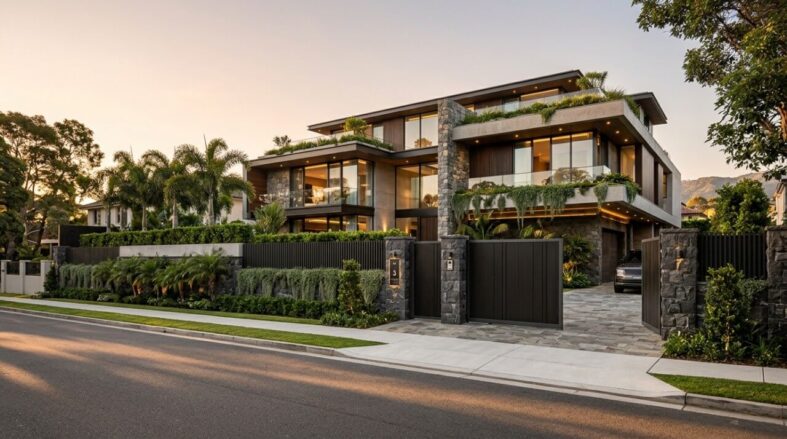
Some villas catch your attention before you even reach the front gate. Nothing seems excessive, yet every detail looks carefully considered. Smooth exterior walls, perfectly aligned windows, elegant materials, and a well-maintained entrance create an impression of luxury without demanding attention.
Interestingly, size has very little to do with it. A modest villa with balanced proportions and quality finishes can look considerably more expensive than a larger property covered in decorative features.
Good exterior design comes down to consistency. Architecture, materials, lighting, and outdoor spaces need to work together rather than compete for attention.
So, what exactly makes a villa look expensive before anyone even steps inside?
A Well-Balanced Exterior Design
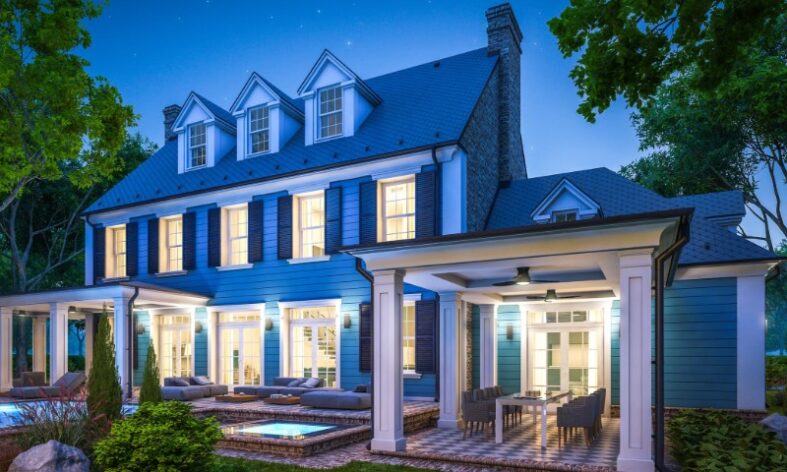
Expensive-looking villas usually share one important characteristic: visual balance. Architectural elements follow a clear structure, allowing the building to look organized and intentional.
Clean rooflines, consistent window placement, and carefully proportioned walls make a considerable difference. Even asymmetrical designs can look balanced when their shapes and visual weight are carefully arranged.
Proportions Matter More Than Decoration
View this post on Instagram
Architectural proportions influence how people perceive a building’s size and quality.
A poorly proportioned entrance, oversized balcony, or randomly positioned window can disrupt an otherwise attractive exterior.
Visual balance involves three important relationships:
- Height and width – Wall sections, rooflines, and openings should feel proportionate to the building’s overall dimensions.
- Solid surfaces and openings – Windows and doors need enough surrounding wall space to create a sense of structure.
- Repetition and alignment – Consistent architectural elements establish visual order across the facade.
Architectural character also depends on the relationship between a building’s major features. Guidelines published by the National Park Service on architectural character identify building shape, openings, materials, and decorative details as important elements of exterior design.
Although those principles are particularly relevant to existing buildings, they also provide a useful way to evaluate villa facades.
Avoid Unnecessary Decorative Features
More decoration does not automatically mean more luxury.
Multiple roof shapes, elaborate columns, oversized moldings, and contrasting finishes can make a villa look visually crowded.
A simpler facade with one distinctive architectural feature often creates a stronger impression.
For a good example of this approach, take a look at the contemporary villa designs in Cyprus by Elythera Investments, where clean architectural lines, large glass openings, and carefully selected exterior finishes create an elegant appearance without excessive decoration.
For example, a large recessed entrance surrounded by smooth plaster and natural stone can provide enough visual interest without decorative additions across every wall.
Luxury architecture often works best when each feature has a clear purpose.
High-Quality Exterior Materials and Finishes
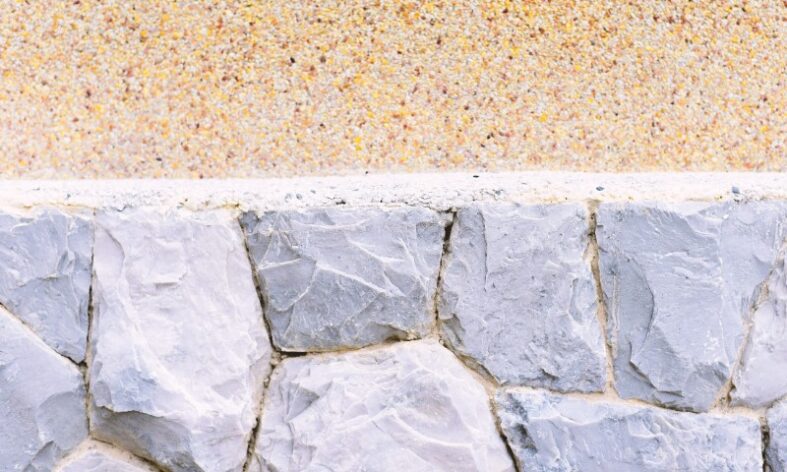
Material selection has an immediate effect on how expensive a villa looks.
Quality materials introduce texture, depth, and character. However, their arrangement matters just as much as their price.
According to the 2025 Cost vs. Value Report, manufactured stone veneer projects achieved an estimated 207.9% cost recovery in the U.S. market.
Although the figures concern a specific remodeling project rather than full villa construction, they suggest that carefully selected exterior finishes can offer benefits beyond appearance.
Natural stone, textured plaster, wood, and architectural concrete are popular choices because they create distinct visual effects without requiring excessive ornamentation.
| Material | Visual effect | Best application |
| Natural stone | Adds texture and a substantial appearance | Entrance walls, columns, accent surfaces |
| Textured plaster | Creates a smooth, elegant exterior | Main facade surfaces |
| Natural wood | Introduces warmth and contrast | Doors, soffits, decorative panels |
| Architectural concrete | Creates clean lines and a contemporary finish | Walls, structural features, pathways |
Keep Material Combinations Simple
A villa does not need five different exterior finishes to look sophisticated.
Consider a contemporary property with warm white plaster covering most of its facade. Natural limestone surrounds the entrance, while dark aluminum window frames provide contrast.
Three complementary materials can create a complete architectural composition.
Adding several additional stone patterns, wood finishes, and decorative tiles could weaken that effect.
Material transitions also deserve attention. Poorly aligned joints, uneven corners, and visible installation defects can make expensive materials look inexpensive.
Natural stone requires suitable installation methods, movement accommodation, and moisture management. Wood also needs appropriate protection against outdoor exposure, especially in humid or coastal conditions.
Choose Exterior Colors That Age Well
Neutral colors are a reliable starting point for an expensive-looking villa.
Warm white, beige, taupe, light gray, and muted earth tones work particularly well with natural materials.
A practical approach is to select one dominant exterior color, one complementary material tone, and one darker accent.
For example, beige plaster can pair with cream limestone and charcoal window frames.
Finish selection matters too. Matte and lightly textured surfaces generally create softer visual transitions than highly reflective finishes, although the best choice depends on the architectural style and local climate.
An Entrance That Stands Out
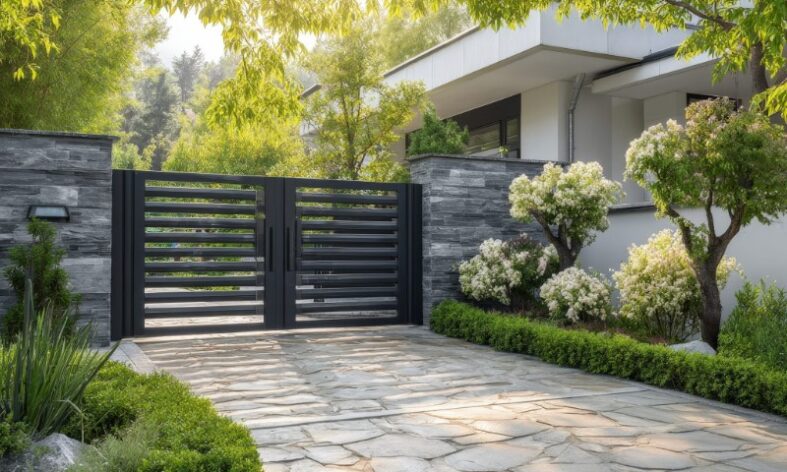
A villa’s entrance is one of its most important exterior features.
Visitors naturally pay attention to the front door because it establishes the main point of arrival. A carefully designed entrance can therefore make a relatively simple property feel considerably more luxurious.
Make the Front Door a Focal Point
Oversized doors can look impressive, particularly on modern villas with tall entrance walls. However, larger dimensions only work when they suit the surrounding architecture.
A door that is too tall for a modest facade can look awkward rather than elegant.
Material quality and finishing also influence the result.
Solid timber, high-quality aluminum systems, and carefully finished composite doors can all create an attractive entrance.
Details such as concealed hinges, substantial handles, and precisely fitted frames contribute to a polished appearance.
Windows That Match the Architecture
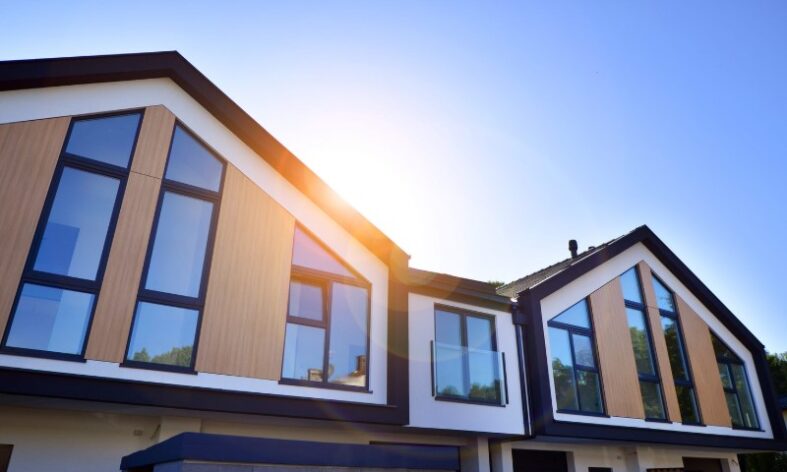
Windows can dramatically influence how modern, elegant, or expensive a villa looks.
Their size, position, shape, and frame design affect the entire facade.
Large windows often work well with contemporary architecture, while traditional villas may benefit more through symmetrical openings and coordinated shutters.
Randomly positioned windows can make a building look unfinished, even when each individual window is expensive.
Consistent head heights, aligned vertical edges, and coordinated frame finishes create a more organized appearance.
Slim aluminum frames are particularly popular in contemporary designs because they reduce the visible border around the glass.
However, slim frames are not automatically suitable for every opening. Large glazing systems need appropriate structural support, suitable glass specifications, and correct installation.
According to the U.S. Department of Energy, glazing performance, air leakage, structural capability, water resistance, and thermal comfort all matter when selecting windows.
Appearance should therefore be considered alongside performance.
Thoughtful Landscaping and Exterior Lighting
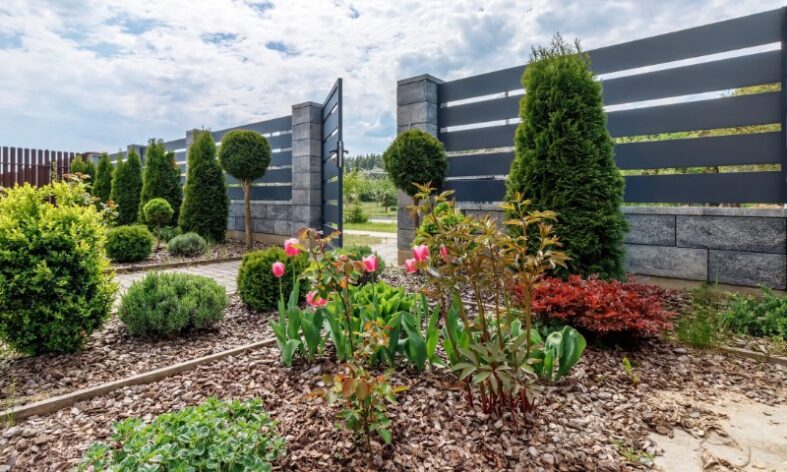
A beautifully designed villa can lose much of its visual impact when the surrounding outdoor space looks neglected.
Overgrown plants, uneven pathways, and poorly maintained garden beds create distractions that compete with the architecture.
Carefully arranged greenery does the opposite. It frames the property and helps establish a clear connection between the building and its surroundings.
2024 U.S. Houzz Outdoor Trends Study states that 77% of homeowners undertaking outdoor feature projects upgraded plants, shrubs, or trees, while 66% improved their garden beds or borders. Carefully selected planting can make a villa feel more established without requiring elaborate decorative features.
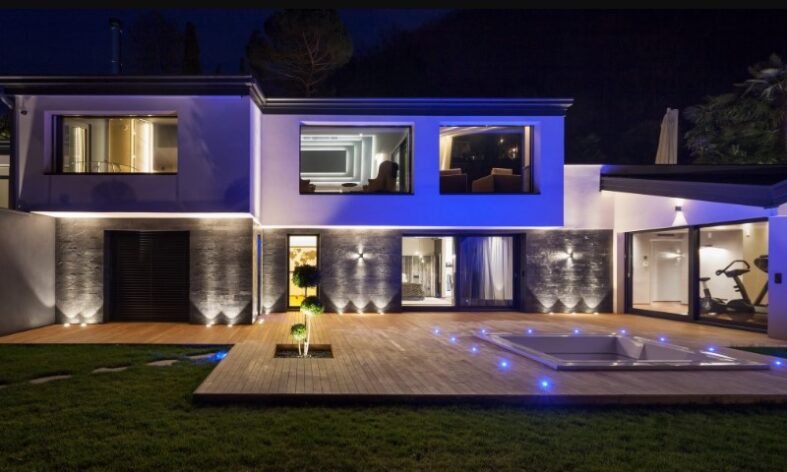
Lighting changes how a villa looks after sunset.
Subtle illumination can bring attention to entrance walls, textured surfaces, pathways, and carefully selected architectural details.
However, excessive lighting can flatten the facade and create uncomfortable glare.
Guidance published by DarkSky International on residential exterior lighting recommends warm-colored fixtures, careful light placement, and controlled brightness.
For residential outdoor lighting, its recommendations include color temperatures of 2700K or lower where practical and pathway fixtures producing 300 lumens or less, depending on the application.
Lower-output lighting is often sufficient when fixtures are positioned properly.
A practical lighting arrangement might include:
- Recessed lighting around the main entrance
- Shielded pathway fixtures for safe movement
- Subtle illumination near selected trees or textured walls
- Coordinated fixtures around the gate and garage
Warm light can help natural materials look inviting after dark. Just avoid illuminating every architectural feature equally.
The Small Details That Complete the Look
Sometimes, an expensive-looking villa is distinguished by details that people notice without consciously thinking about them.
A coordinated entrance gate, perfectly maintained driveway, matching exterior fixtures, and neatly finished boundary walls create a sense of completeness.
Even minor inconsistencies can interrupt that impression.
Gate design, boundary walls, driveway materials, and garage doors all influence the street-facing appearance.
For example, a contemporary villa with charcoal aluminum windows might benefit from a gate and garage door in a similar finish.
Repeating one material or color creates continuity without introducing additional decoration.
Small improvements also deserve attention.
Replacing outdated house numbers, repairing cracked paving, repainting weathered gates, and updating mismatched exterior light fixtures can improve the overall appearance without requiring major construction.
FAQs
Closing Thoughts
A villa does not need extravagant architectural features or an enormous renovation budget to look expensive.
Careful proportions, quality materials, coordinated details, and well-maintained outdoor spaces often create a stronger impression than decorative additions.
Before investing in major exterior upgrades, consider what already works and what disrupts the overall design.
Sometimes, improving a villa’s appearance is less about adding something new and more about making the existing elements look like they belong together.