
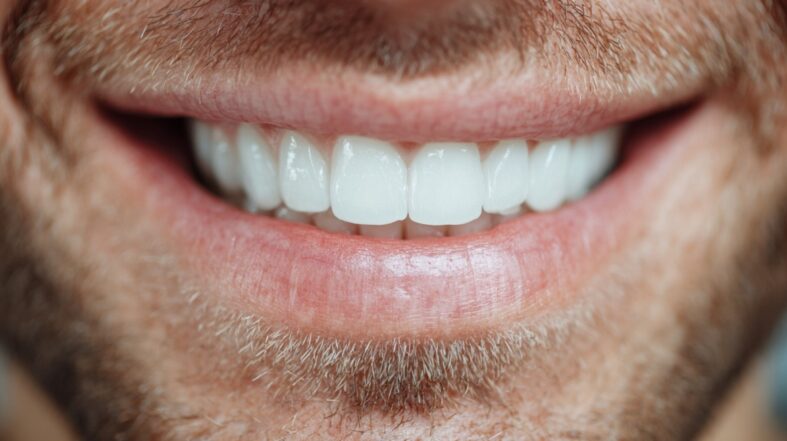
“Hollywood smile” dominates cosmetic dentistry ads, clinic websites, and social media posts.
Patients see the phrase everywhere, yet many people do not know what it actually means in clinical terms.
Confusion starts there. “Hollywood smile” is not a medically defined treatment. It is a commercial label attached to different combinations of cosmetic dental procedures.
The biggest myths start when people treat “Hollywood smile” like a single standardized dental procedure.
Cosmetic dentistry does include valid treatments with clear purposes, materials, and techniques.
“Hollywood smile” does not carry that same clinical precision. Marketing made the phrase powerful. Lack of a fixed medical definition made it confusing.
Where the Term Came From
Early and mid 20th century Hollywood helped shape the modern beauty ideal, and bright, even, camera ready teeth became part of that image.
Film stars, like Brooke Shields, who has had minor dental maintenance for teeth grinding, are expected to look polished on screen, so dental appearance gained new visibility in popular culture.
Cosmetic solutions used for actors during that period were often costly, less common, and at times temporary or made mainly for filming.
- bright, even teeth linked with star image
- cosmetic work often limited to wealthy or highly visible performers
- some restorations created mainly for camera use rather than long term oral health
- screen appearance valued as part of glamour and public image
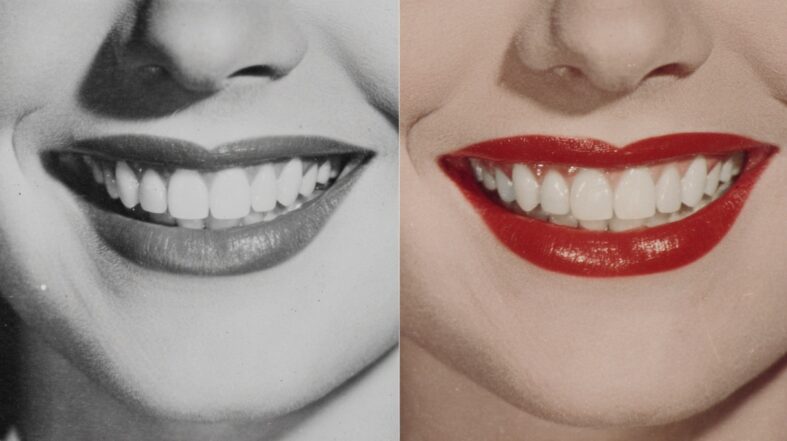
Over time, “Hollywood smile” became shorthand for a perfectly white, cinematic smile linked with movie stars and celebrity culture.
Public imagination attached glamour, status, and visual perfection to the phrase.
Clinics later adopted it as a selling term because it instantly suggested beauty, confidence, and star level aesthetics.
- many providers use it as a sales label, not a clinical diagnosis
- meaning can change from one clinic to another
- no single treatment protocol sits behind the phrase
- branding often sounds more precise than the dentistry actually is
Phrase itself sounds technical, but its popularity comes more from branding than clinical specificity.
That gap between branding and medicine explains why so many people expect one exact treatment when no single protocol exists.
Fiction: “A Hollywood Smile Is One Specific Treatment”
View this post on Instagram
Many people assume a Hollywood smile is one clearly defined dental procedure. That is a myth. No fixed treatment protocol exists under that name.
In practice, the phrase usually refers to one procedure or several cosmetic procedures selected according to a patient’s oral condition, facial features, and personal goals.
- porcelain veneers bonded to the front surfaces of teeth
- ultra thin ceramic shells in suitable minimal prep cases
- zirconia or porcelain crowns
- composite bonding
- professional teeth whitening
- orthodontics or clear aligners
- implants and gum reshaping in more complex cases
An important issue is not the label itself. The central issue is treatment planning.
Many patients also start asking practical questions about coverage and family plans, such as before moving forward with cosmetic dental treatment.
A responsible clinician builds an individualized plan after a proper examination, not a one-size-fits-all package built for quick sales.
Patients should not be sold a slogan. Patients should receive a diagnosis, clear options, and a treatment sequence that fits their actual needs.
Fiction: “It Always Means Big, Fake, Ultra White Teeth”
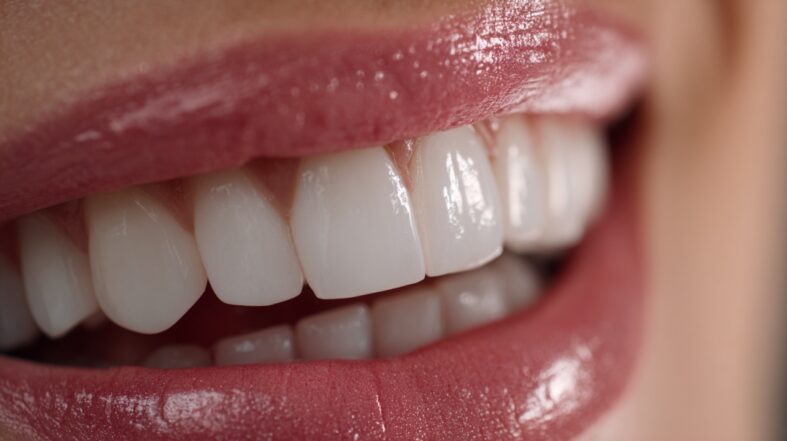
Common myth says every Hollywood smile looks artificial. Modern smile design does not have to produce a fake result.
Final appearance can be dramatic or natural, depending on patient preferences and the clinician’s planning.
- slight variation in tooth shape
- slight variation in tooth size
- shade selection that does not look flat or overly bright
- subtle translucency
- natural surface texture
- proportions that fit the face
- balanced gum display
- improved alignment without a robotic look
Artificial results usually come from overly uniform design, aggressive cosmetic choices, or planning focused mainly on photos instead of the person’s face.
Very opaque materials, extreme whiteness, and identical tooth shapes often create that obvious cosmetic look.
- identical tooth shapes across the smile
- excessive whiteness with no softness in shade
- flat surfaces with no texture
- design choices made for social media photos more than facial harmony
Cosmetic dentistry itself is not the problem. Poor aesthetic judgment is usually the problem.
Fiction: “Your Teeth Have to Be Shaved Down to Tiny Stumps”
@drjoshuaghiam You’re teeth don’t have to be shaved down to nubs in order to have Porcelain Veneers placed 🦷 #porcelainveneers #cosmeticdentist #dentist #smilemakeover #veneers #beforeandafter #beverlyhills #rodeocollection #rodeodrive #dentaloffice #viral #turkeyveneers #greenscreenvideo ♬ Roxanne – Instrumental – Califa Azul
Fear of aggressive drilling is one of the most common concerns tied to smile makeovers. Many people believe tooth reduction is always severe. That is false. Conservative and minimal prep approaches exist, and modern cosmetic dentistry aims to preserve as much enamel as possible.
One measurable detail shows how conservative some cases can be:
minimal prep veneers may require removal of only about 0.3 to 0.5 millimeters of enamel in suitable cases
That amount is far less dramatic than the “tiny stumps” image that often circulates online. Case selection matters greatly, though.
Some patients are good candidates for very conservative veneers. Others may need orthodontic correction first or a different restorative approach.
Serious caution is still necessary. High volume cosmetic clinics sometimes drill healthy teeth aggressively for full crowns even when veneers, bonding, or orthodontics might have been enough.
Once healthy tooth structure is removed, it cannot be grown back.
You can change the color of a veneer or the shape of a crown, but you cannot regrow tooth structure after it has been cut away.
Truth is not that all smile makeovers destroy teeth. Truth is that poorly planned, over invasive treatment can cause permanent harm.
Patients dealing with pain, a broken tooth, infection, or a failed restoration may need prompt care, and in those situations, visiting an Akutt Tannlege can be the right next step.
Fiction: “It Is Purely Cosmetic, So Function Does Not Matter”
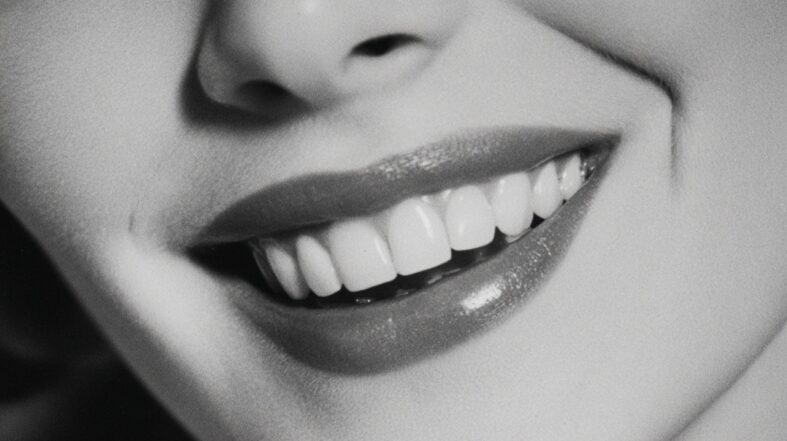
Another myth treats smile makeovers like surface level beauty work that affects only the visible front teeth.
Teeth are part of a larger chewing system that includes the temporomandibular joints, muscles, bones, ligaments, airway, and posture. Good cosmetic dentistry cannot ignore function.
- the bite
- jaw movement
- tooth contact during chewing
- gum health
- bone levels
- facial harmony
Visual design alone is not enough. A smile planned only for a front facing photo can create serious problems if the bite is unstable or the functional pattern is ignored.
Gums deserve special attention. White teeth framed by unhealthy or inflamed gums do not represent a successful result.
Proper smile design should include periodontal evaluation and, when needed, gum treatment before veneers or crowns are placed.
A smile that looks striking in pictures but ignores bite stability and gum health may be visually impressive and clinically poor.
Fiction: “Hollywood Smiles Always Damage Teeth”
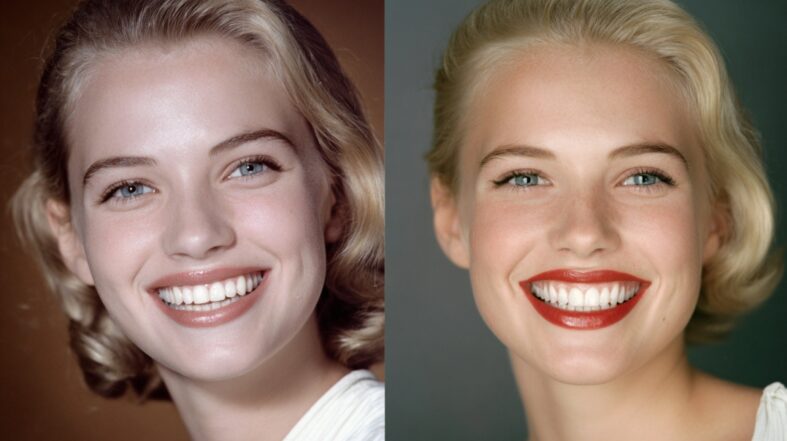
Some critics claim smile makeovers always damage teeth.
That statement is too broad. Modern cosmetic dentistry is intended to be conservative, and outcomes depend heavily on diagnosis, case selection, material choice, and clinical execution.
- quality of diagnosis
- proper case selection
- suitable material choice
- conservative preparation when possible
- precise execution
- long term maintenance
Advances in materials and techniques are designed to preserve maximum tooth structure while still improving appearance.
Better ceramics, improved bonding protocols, and more conservative planning can support strong aesthetic results with less invasive preparation in appropriate cases.
Good outcomes also depend on careful examinations and realistic treatment choices.
Risk becomes much higher when healthy teeth are over drilled, proper examinations are skipped, and treatment is reduced to uniform white before and after photos.
Long term success also depends on maintenance. Smile makeovers are not one time beauty events. Hygiene, follow up care, and regular monitoring affect longevity.
- consistent oral hygiene
- routine dental checkups
- follow up visits after treatment
- monitoring of gums and bite
- protection of restorations when needed
A smile is not a three day project. It is a long term relationship involving the patient, the teeth, and the dental team.
Accurate conclusion is balanced. Saying these treatments always damage teeth is false. Treating them like risk free beauty products is also false.
Summary
Right question is not about calling the “Hollywood smile” idea true or false. Right question is about the treatment behind the label. Good care should be conservative, individualized, and medically responsible.
“Hollywood smile” is a marketing phrase, not a diagnosis and not a single clinical method. Meaning attached to it can vary widely across clinics, countries, and treatment plans.
That is why patients so often hear contradictory claims.