
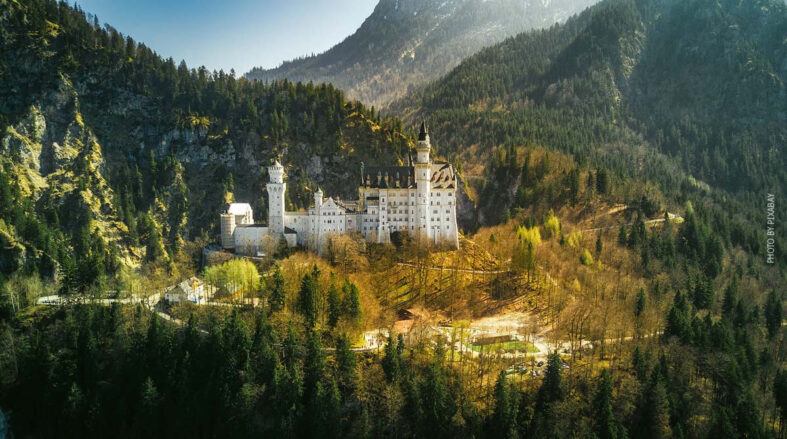
Spend a few days in southern Germany and something feels different almost immediately. It is not one big change, but a series of small, visible details that add up. The buildings look different, people interact differently, even the rhythm of daily life shifts.
What makes it interesting is that you are still very much in Germany. The infrastructure works the same, the language is technically the same, and the systems are familiar.
But culturally, the south often feels closer to places like Austria or Switzerland than to northern Germany .
This article breaks down those differences in a practical way, focusing on what you actually notice when you are there, not abstract theory.
A Region That Developed Separately
To understand the feeling, you have to start with history. Germany was not always one unified country. It was made up of separate states with their own identities, and Bavaria in the south was one of the strongest.
That legacy still shows today. Southern Germany, especially Bavaria, kept a distinct identity tied to local traditions, religion, and governance.
Even now, people in the region often see themselves as Bavarian first and German second in everyday cultural terms.
In modern life, this shows up in subtle ways:
- Strong regional pride
- Visible local customs still practiced
- A clear sense of “this is how we do things here”
This is not nationalism. It is more about continuity. The region simply held onto its identity longer than others.
Everyday Life Feels More Social and Open
One of the first things people notice is how social everyday life feels. It is not loud or chaotic, but it is more outward-facing than in the north.
Southern Germans are often described as more sociable and expressive compared to the more reserved north.
You see this in beer gardens, public squares, and small-town events where people actually sit and spend time together.
Important context: social behavior varies across Germany, but regional tendencies are widely recognized and discussed within the country.
A typical afternoon in the south might include:
- Sitting at long shared tables in a beer garden
- Casual conversations with people you do not know
- Families spending hours outside together
It feels less transactional. People are not rushing through public spaces. They are using them.
Tradition Is Not Just for Tourists
Southern Germany does not treat tradition as something reserved for festivals. It is part of daily life.
In Bavaria especially, traditions are actively maintained through events, clothing, and community habits . You will see traditional dress at local celebrations, but also in smaller, everyday contexts.
This includes:
- Regional festivals that locals actually attend
- Traditional food served without adaptation for tourists
- Customs tied to seasons, religion, and local identity
Did you know?
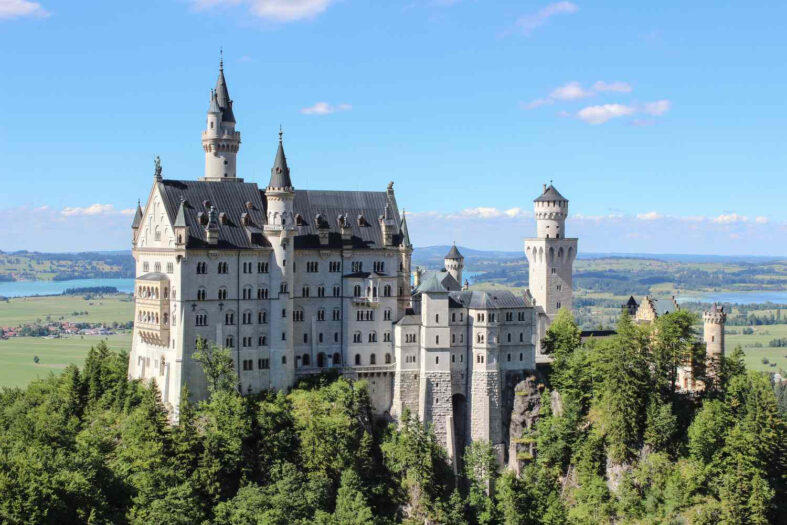
Neuschwanstein Castle, often seen as a symbol of old Germany, was actually built in the 19th century, not medieval times. It reflects how the region preserves and reshapes tradition rather than simply inheriting it .
The key point is consistency. Tradition here is not staged. It continues because people still value it.
The Cultural Line Runs Through Religion
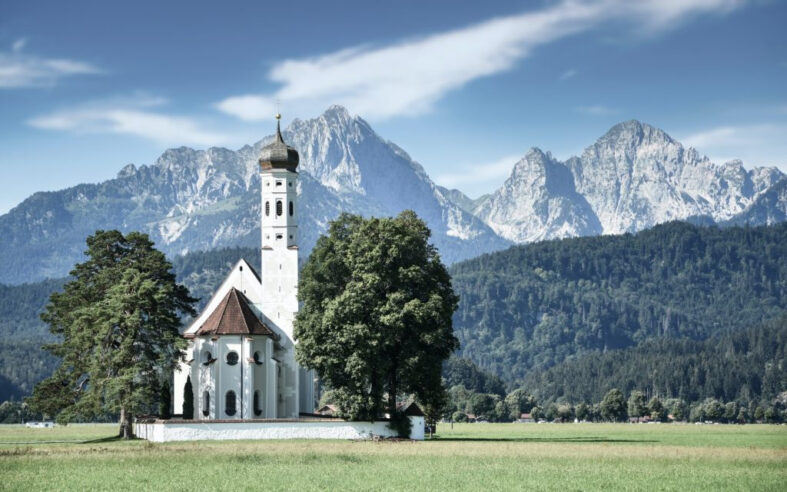
Religion plays a quieter role today, but its influence is still visible. Southern Germany has historically been more Catholic, while the north is largely Protestant .
That difference shaped behavior, architecture, and community life over time.
| Aspect | Southern Germany | Northern Germany |
| Historical religion | Catholic | Protestant |
| Church presence | More visible in towns | Less central |
| Cultural tone | Community-oriented | More individual-focused |
This does not mean people are actively religious in daily life. But the cultural framework remains. It affects how communities organize themselves and how traditions are preserved.
Language Feels Different, Even If You Speak German
You can speak standard German and still feel lost in parts of the south.
Southern Germany uses Upper German dialects, especially in Bavaria and nearby regions . These dialects can sound completely different from what you hear in cities like Berlin or Hamburg.
What makes it noticeable is not just pronunciation. It is how often dialect is used in real life.
- In small towns, dialect is common in daily conversation
- In cities, it mixes with standard German
- Locals switch between both depending on context
For visitors, this creates a clear sense that you are in a different cultural zone, not just a different place.
Landscapes Shape the Way People Live
Geography plays a bigger role than most people expect. Southern Germany has hills, forests, and access to the Alps, which changes how towns are built and how people spend time .
You notice it in simple ways:
- Towns are more compact and centered around squares
- Outdoor activities are part of regular life
- Seasonal changes affect routines more directly
In contrast, northern Germany is flatter and more industrial in many areas. The environment influences behavior over time, and that difference shows.
A Different Approach to Work and Daily Rhythm
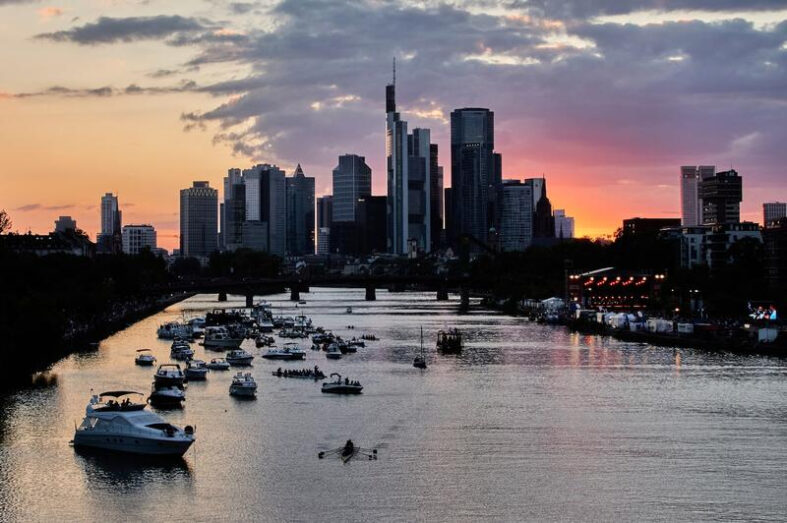
Southern Germany is economically strong, with major industries and high productivity. But the daily rhythm often feels less rushed than in larger northern cities.
There is more emphasis on:
- Clear separation between work and personal time
- Regular social breaks, especially outdoors
- Structured but not hurried routines
This balance is not unique to the south, but it is more visible there. The pace feels intentional rather than pressured.
Modern Lifestyle and Personal Freedom
Southern Germany is traditional, but it is not closed or outdated. Cities like Munich are modern, international, and diverse. What stands out is how older cultural habits exist alongside modern lifestyles.
In larger cities, you will also find a wide range of personal services and experiences. For example, platforms like Louisa Escort operate in a discreet and professional way, reflecting how even more conservative regions adapt to modern expectations without making them highly visible.
This balance is typical of the south. Things change, but they tend to integrate quietly rather than replace what is already there.
Why It Feels Like Another Country
When people say southern Germany feels like a different world, they are reacting to a combination of factors, not just one.
It comes down to:
- Strong regional identity
- Visible traditions still in use
- Social public life
- Distinct dialects
- A different historical path
Each of these alone would not stand out as much. Together, they create a clear shift in atmosphere.
The important thing is that this difference is not artificial. It is the result of history, geography, and cultural continuity working in the same direction.
If you travel through Germany from north to south, you do not cross a border. But it can feel like you did.